Home / Door Frame Replacement
Door Frame Replacement in Toronto
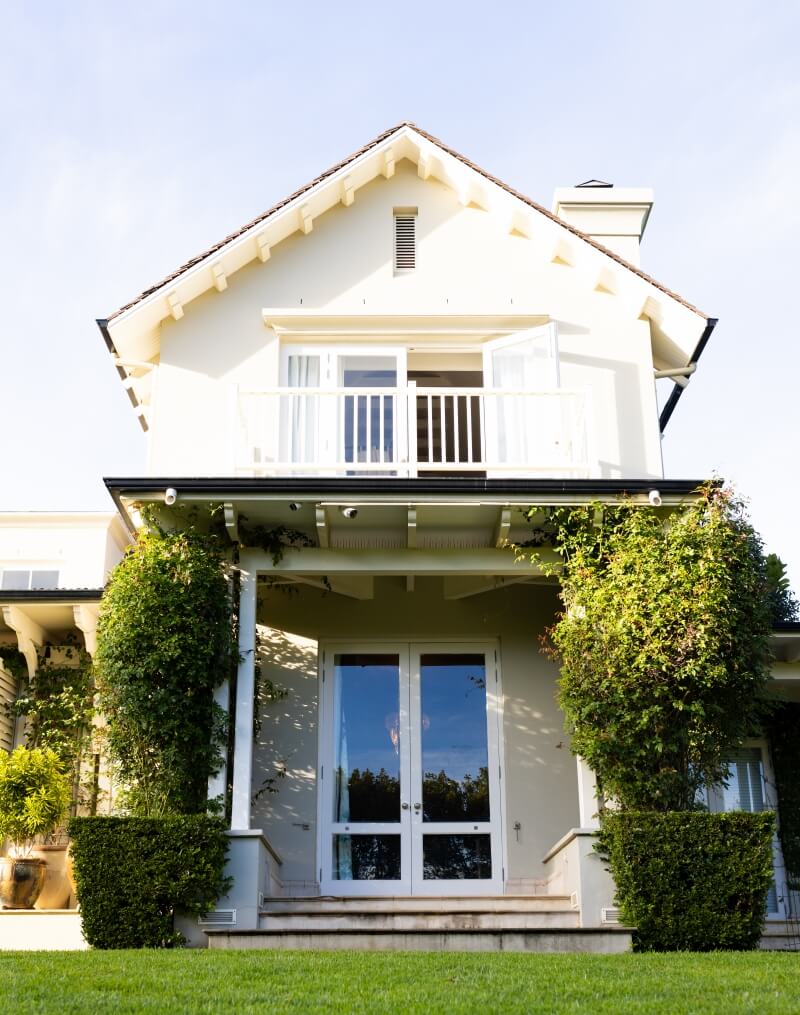
Is your door starting to bind at the hinge side‚ drag on the floor‚ or refuse to latch unless someone “shoulders” it shut? Are you seeing daylight around the jamb‚ hearing rattling in the wind‚ or noticing the frame flex when the closer pulls the door in? These are classic signs that the opening has shifted – and the fastest way to restore smooth‚ secure performance is often a proper door frame replacement. Contact Lawrence Doors now to book a site visit and get a clear plan for your door frame replacement!
Why would a business entry need a door frame replacement?
In a high-traffic workplace‚ the frame isn’t just trim – it’s the structural backbone that keeps the door aligned‚ sealed and secure through thousands of cycles. Over time‚ repeated impact from deliveries‚ carts‚ foot traffic‚ strong wind loads and aggressive closing force can push the jamb out of square. When the geometry is off‚ everything downstream suffers: the latch misses‚ the closer fights the door‚ the lock strains and the entry starts looking “tired.” A door frame replacement resets the entire opening so the door closes cleanly‚ seals properly and locks without resistance. A door frame replacement is especially relevant when the frame has been patched multiple times and the issue keeps returning. If adjustments hold for a week and then the door starts sticking again‚ it’s usually not a “hardware” problem anymore – it’s the frame alignment drifting. At that point‚ investing in a door frame replacement often costs less than repeated downtime and recurring service calls. A door frame replacement is especially relevant when the frame has been patched multiple times and the issue keeps returning. If adjustments hold for a week and then the door starts sticking again‚ it’s usually not a “hardware” problem anymore – it’s the frame alignment drifting. At that point‚ investing in a door frame replacement often costs less than repeated downtime and recurring service calls.What warning signs show it’s more than a quick adjustment?
A door frame replacement becomes the right move when the frame itself can’t reliably stay square or hold hardware under daily use. Look for patterns like these:- Door Rubbing At The Head Or Along The Hinge Side
- Latch Not Catching Unless The Door Is Pulled Or Pushed Hard
- Visible Gaps Around The Perimeter Or Uneven Sealing
- Strike Side Cracking‚ Splitting‚ Or Hardware Pulling Loose
- Frame Movement When The Door Closes Or Locks
- Water Damage‚ Swelling‚ Rot‚ Or Corrosion Around The Jamb
- Repeated “Fixes” That Don’t Last More Than A Few Weeks
How do frames get out of square in the first place?
It’s rarely one dramatic moment. In many commercial settings‚ the shift is gradual. A closer set a little too strong causes repeated slamming. Slamming loosens fasteners. Loosened fasteners allow micro-movement. Micro-movement turns into visible misalignment. Add Toronto-area freeze/thaw cycles and wind-driven rain and a small twist can become a constant operational headache. Sometimes the frame was never ideal for the duty level. A lightweight setup in a busy entry will distort faster‚ especially if the door is heavy or the traffic is continuous. A proper door frame replacement corrects the structure and creates the right foundation for long-term performance.Door frame replacement vs. repair – how do you decide?
If the frame is fundamentally sound and the issue is localized‚ you may be able to stabilize the opening without a full swap. In those cases‚ a targeted intervention like door frame repair can be enough to restore alignment‚ reinforce the strike side and stop recurring movement. But if the frame is split‚ rotten‚ corroded‚ warped‚ or repeatedly losing square‚ door frame replacement tends to be the better business decision. You’re not just paying for a “new frame” – you’re buying reliability: fewer disruptions‚ fewer call-backs and fewer surprises when the entry is under pressure.What happens during a door frame replacement?
A professional door frame replacement is a structured process‚ not a demolition event. The goal is to protect surrounding finishes‚ keep the opening controlled and return the jamb to correct geometry with proper anchoring. Typical steps include measurement verification‚ careful removal of the existing frame‚ inspection of the rough opening‚ correction of any substrate issues‚ precise shimming and solid anchoring so the frame stays put. Then the door is aligned to consistent reveals and tested repeatedly to confirm smooth closing‚ reliable latching and a stable seal. A good door frame replacement is also about the details: hinge placement‚ strike alignment‚ weather sealing and threshold transitions. Done correctly‚ the entry feels solid‚ closes quietly and looks professional – exactly what you want at a business entrance.What if the door slab is worn out too?
Sometimes the frame is the weak link. Other times‚ the door itself has taken a beating – warping‚ delamination‚ dents‚ or a failing core that no longer holds hardware well. If the slab is beyond reliable use‚ pairing a door frame replacement with door replacement can be the cleanest way to ensure the entire opening works as a matched system. This approach helps prevent “new frame‚ old problems.” When the door and frame are properly matched‚ you get consistent clearances‚ correct hinge prep and hardware that fits the way it’s supposed to – so you’re not fighting alignment issues right after the job is done.How do you minimize downtime for busy entries?
The biggest concern for most businesses is disruption. A door frame replacement should be planned around operations‚ not the other way around. At Lawrence Doors‚ the workflow is designed to keep things efficient: define the work window‚ stage materials‚ protect the surrounding area and execute the door frame replacement in a controlled sequence. Where appropriate‚ the entry can be managed so your team isn’t left with an unsecured opening. If the door is critical to daily operations‚ planning becomes part of the service – so the door frame replacement feels like a scheduled improvement‚ not an emergency headache.When should you treat it as urgent?
If the frame is cracked at the strike side‚ the latch won’t engage‚ or the door can’t secure properly‚ that’s a risk – especially on main entries‚ service doors‚ or anywhere sensitive. In those cases‚ a fast stabilization and a permanent solution matter. If the opening is compromised and the door can’t be reliably secured‚ the correct endpoint is often an emergency door replacement plan that restores safety and function quickly‚ followed by the proper finishing steps. A door frame replacement can be scheduled proactively‚ but once security is affected‚ waiting usually makes the problem more expensive.How does hardware and closing performance change after replacement?
When the frame is square again‚ hardware stops fighting the door. Closers pull evenly. Latches align without forcing. Locks engage smoothly. Seals compress correctly. That means fewer service calls and less wear on every component in the opening. If you’ve been adjusting closers repeatedly or swapping strike plates hoping the door will “behave‚” a door frame replacement often ends that cycle. It’s the structural reset that makes the rest of the system work as designed.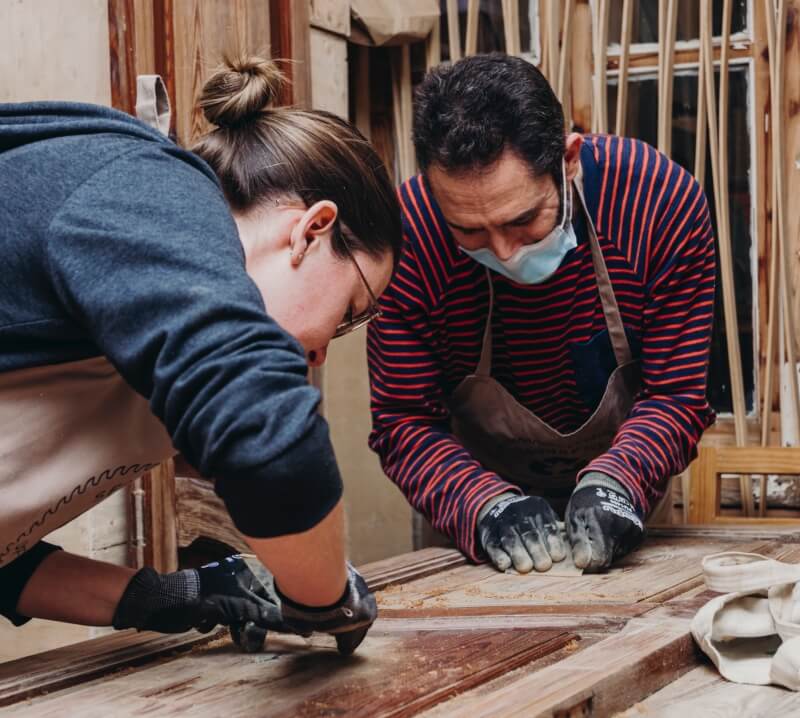
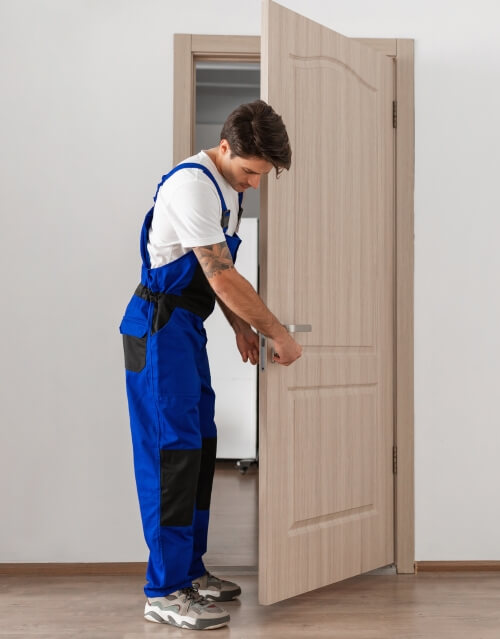
Can you combine frame replacement with upgrades or new installs?
Yes – many clients use door frame replacement as the moment to upgrade the overall opening. If you’re changing traffic flow‚ refreshing an entry‚ or standardizing doors across a facility‚ you may want to coordinate a broader scope that includes door installation for additional openings or replacements. And if a main entry is being refreshed for durability and appearance‚ a focused upgrade like front door installation can be planned alongside a door frame replacement strategy – so the most visible opening on the property looks sharp and performs reliably without constant attention.What makes a door frame replacement “done right”?
A door frame replacement isn’t just swapping parts; it’s delivering a dependable opening that holds alignment under real-world use. The best results come from precise layout‚ proper anchoring and careful testing – not shortcuts. Here’s what you should expect from a professional door frame replacement:- Accurate Measurements And Correct Frame Sizing
- Square‚ Plumb Alignment With Consistent Reveals
- Solid Anchoring That Prevents Future Frame Drift
- Clean Finishing That Looks Professional And Durable
- Reliable Latching And Smooth Closing Without Forcing
- Sealing That Helps Reduce Drafts And Door Rattle
Book your door frame replacement with Lawrence Doors?
If your entry is sticking‚ shifting‚ or refusing to latch cleanly‚ don’t wait until it fails during peak hours. A proper door frame replacement restores stability‚ security and smooth operation – and it’s often the most cost-effective fix when the same issues keep coming back. Reach out to Lawrence Doors today to schedule service and get your door frame replacement handled quickly and professionally!With experience and care, we handle every repair using top-quality materials.
At Lawrence Doors, we are a collective of dedicated and passionate professionals committed to providing top-tier door repair, installation, and maintenance services. Our team is driven by a single mission: to deliver the best door services with integrity, precision, and a genuine passion for what we do.