Home / Door Frame Repair
Door Frame Repair in Toronto
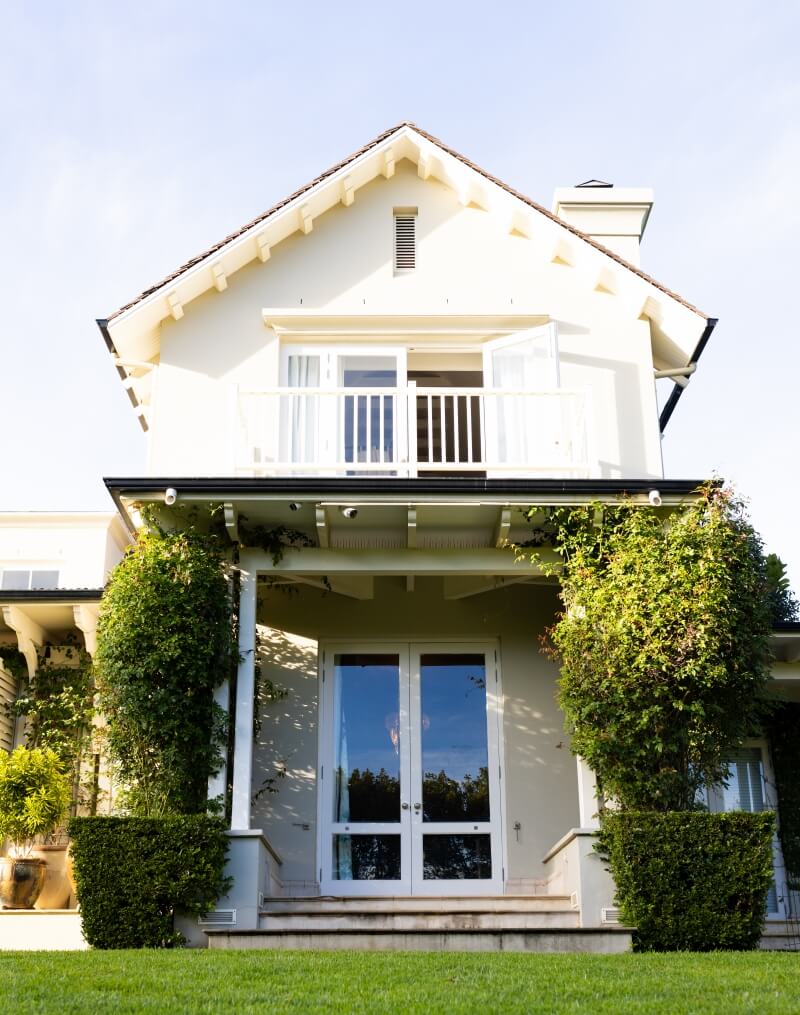
Is your door suddenly rubbing‚ dragging‚ or refusing to latch? Noticed daylight around the jamb‚ a widening gap at the top corner‚ or a frame that looks “pulled” out of square? These are classic signs that you need door frame repair before the problem spreads into bigger hardware failures and higher costs. Contact Lawrence Doors now to book a fast assessment and get it fixed properly today!
Many people think the issue is “just the door‚” but in many cases the frame is the real culprit. When the structure that holds the hinges and strike plate shifts even a few millimetres‚ everything else starts compensating. That’s why a good door frame repair focuses on alignment‚ anchoring and load transfer – not quick patches. If you’re also dealing with general issues‚ we can coordinate it alongside door repair so the entire opening works smoothly again.
What causes frame problems in the first place?
Door frame repair becomes necessary when the frame no longer holds a true rectangle and the door loses its correct geometry. In Canada‚ seasonal changes can be rough on openings: expansion‚ contraction and repeated freeze-thaw cycles can slowly shift fasteners‚ compress shims and loosen joints. Add heavy daily use‚ slamming‚ vibration‚ or impact and a frame can move out of square faster than you’d expect. Common triggers we see that often lead to door frame repair include:- Repeated Misalignment From Heavy Traffic And Frequent Closing
- Loose Anchors Or Worn Fastener Points In The Jamb
- Hinge-Side Sagging That Pulls The Frame Out Of Square
- Strike Plate Movement That Causes Latching Failure
- Moisture Intrusion That Swells‚ Warps‚ Or Softens Frame Materials
- Impact Damage From Carts‚ Deliveries‚ Or Forced Entry Attempts
How do you know it’s the frame and not the hardware?
Here’s a simple way to think about it: hardware problems are usually isolated‚ while frame problems create patterns. If one hinge squeaks‚ that’s hardware. If the latch only works when you lift the door‚ that’s usually alignment – and door frame repair is often the real solution. If the door “bounces” off the stop‚ or if it closes but won’t stay latched‚ a shifted jamb is commonly involved. Look for these “pattern” signs that often point to door frame repair:- Uneven Gaps Along The Door Edge (Top Tight‚ Bottom Wide Or The Reverse)
- Scraping At The Threshold Or Head‚ Especially After Weather Changes
- Latch Misalignment That Gets Worse Over Time
- Visible Twisting Or Bowing Along The Jamb Face
- Door That Needs Extra Force To Close Even After Hardware Adjustments
What does professional frame work actually include?
Real door frame repair isn’t guesswork. The goal is to return the opening to square‚ plumb and true – then reinforce it so it stays there. At Lawrence Doors‚ we start by checking hinge-side and strike-side alignment‚ measuring the reveal and confirming where the movement originates. Sometimes it’s a simple shift; sometimes the anchoring has failed; sometimes the surrounding structure has settled. Depending on what we find‚ door frame repair may include:- Re-Securing The Jamb With Correct Anchoring And Fastener Placement
- Re-Shimming And Re-Setting The Frame For Proper Geometry
- Rebuilding Damaged Sections So Hinges And Strikes Hold Firmly
- Correcting Latch Line So The Door Closes Without Lift Or Push
- Strengthening High-Stress Areas To Prevent Repeat Movement
When is repair enough and when is replacement smarter?
In many cases‚ door frame repair is the best option: it’s faster‚ less invasive and preserves the existing opening. But there are times when the damage is beyond reinforcement – like severe rot‚ split jambs‚ crushed hinge areas‚ or repeated failures where the material has lost integrity. If the frame can’t be stabilized safely‚ we’ll explain why and recommend door frame replacement as the more reliable long-term choice. The point is not to “upsell” you into a bigger job – it’s to make sure the fix lasts and the opening remains secure and functional.What if it’s urgent and the opening won’t secure?
If the door won’t latch‚ the frame is cracked‚ or the opening is compromised‚ delaying can create safety and access issues. In those situations‚ we can dispatch for emergency door repair to stabilize the frame‚ restore closing function and get the door securing again as quickly as possible. Door frame repair in urgent cases often starts with regaining alignment and strength first‚ then following up with a more permanent reinforcement once conditions are stable.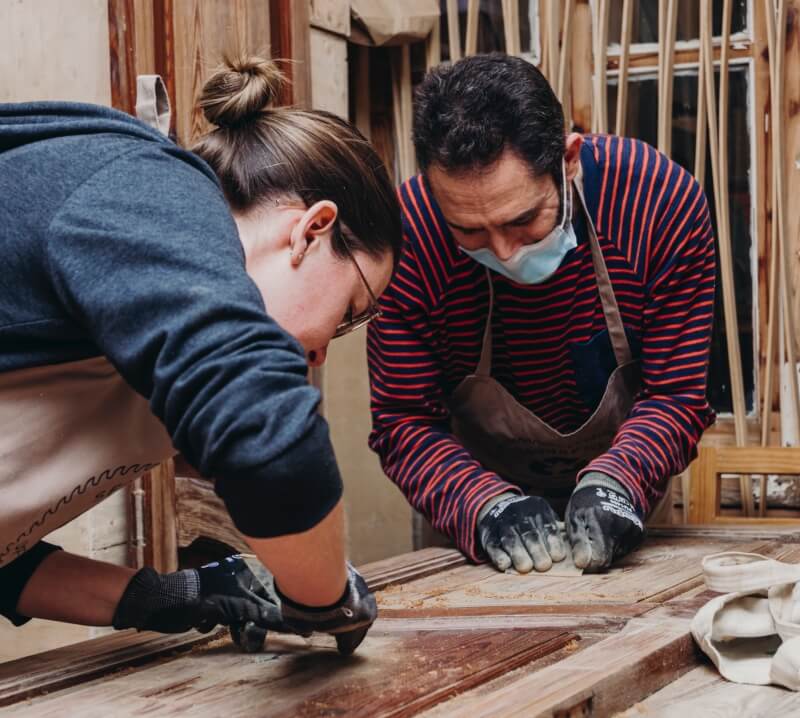
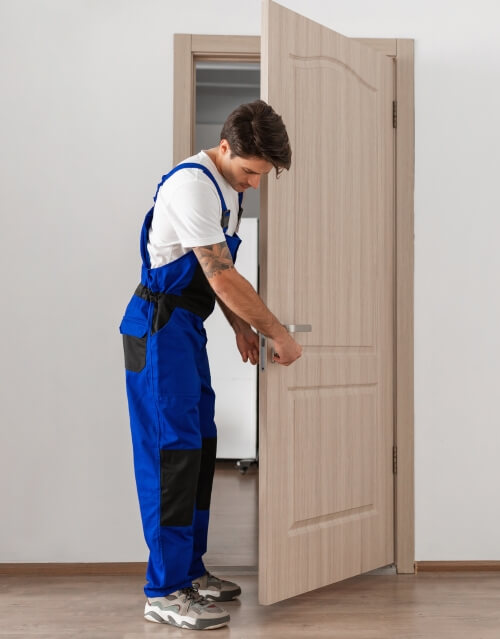
How frame problems affect security‚ sealing and operating costs
Door frame repair isn’t only about convenience. A frame that’s out of square can prevent proper sealing‚ which means drafts‚ temperature swings and moisture issues. It can also reduce lock engagement‚ meaning the latch isn’t fully seated. Over time‚ the door starts wearing unevenly‚ hardware fails sooner and the opening becomes noisier and harder to use. A thorough door frame repair helps by:- Restoring Proper Seal Contact So Weatherstripping Can Work
- Improving Latch Engagement For More Reliable Locking
- Reducing Stress On Hinges‚ Closers and Handles
- Preventing The Door From Warping Due To Uneven Load
- Keeping The Opening Consistent So It Doesn’t “Drift” Over Time
How we handle high-traffic openings without disruption
Door frame repair is often needed on openings that see constant use. That means the process has to be efficient‚ clean and planned so the space can keep operating. We focus on precise measurement‚ correct reinforcement and a finish that looks professional – because a repaired frame shouldn’t look like a patch job. If you’re planning broader upgrades – new hardware‚ improved closing control‚ or a refreshed entrance – we can also coordinate the frame work with door installation so the entire system fits properly from day one. Done together‚ it reduces rework and ensures the frame is set to the correct tolerances for the new components.What to expect when you book with Lawrence Doors
When you call Lawrence Doors‚ you’ll get a straightforward plan and a clear explanation of what’s happening. Door frame repair should never feel mysterious. We’ll confirm the cause‚ outline the options and recommend the approach that restores function and keeps the opening stable. Here’s what you can expect:- Clear Diagnosis Based On Measurements‚ Not Guesswork
- Practical Options That Match The Condition Of The Frame
- Reinforcement That Helps Prevent The Same Issue Returning
- Clean Work Practices That Keep The Area Tidy
- Results That Feel Smooth: Proper Closing‚ Latching and Sealing
Ready to fix the frame for good?
Don’t keep forcing a door that’s fighting the opening. Book an assessment with Lawrence Doors and get professional door frame repair that restores alignment‚ improves security and keeps the entrance working reliably. Contact us today to lock in a service time and get a fast‚ practical estimate!With experience and care, we handle every repair using top-quality materials.
At Lawrence Doors, we are a collective of dedicated and passionate professionals committed to providing top-tier door repair, installation, and maintenance services. Our team is driven by a single mission: to deliver the best door services with integrity, precision, and a genuine passion for what we do.