Closing speed is one of the clearest clues an entrance can provide about its mechanical condition. A door that suddenly starts moving faster‚ hesitating near the latch or taking much longer to close is often signalling a change in the closer‚ hinges‚ frame‚ air pressure or the resistance within the opening. Those changes can develop gradually‚ which makes regular observation especially useful.
Where a powered system behaves unpredictably‚ automatic door repair may be required‚ but even a manual entrance can reveal valuable information through the way it completes its final few seconds of movement. Closing behaviour should be considered part of the condition assessment rather than treated only as a convenience setting.
The difference between sweep speed and latch speed
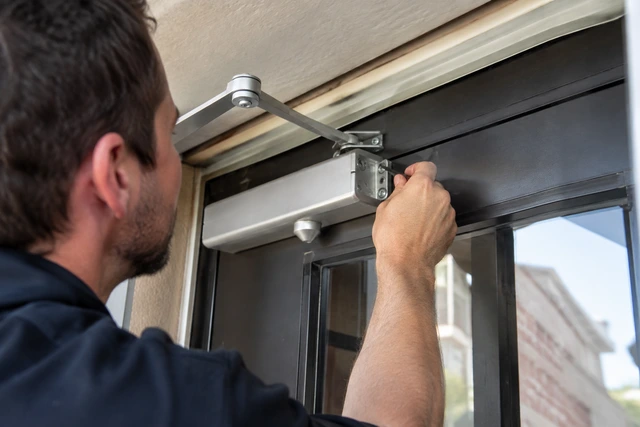
Many closers manage more than one phase of movement. The main sweep controls most of the closing arc‚ while the final latching phase is intended to bring the leaf firmly enough into the frame for the latch to engage. Problems can appear in either stage.
If the main swing is too fast‚ the entrance can feel aggressive long before it reaches the frame. If the final phase is too slow‚ the leaf may stop against weatherstripping without fully latching. Excessive final speed can create a slam that accelerates wear at the strike‚ hinges and closer mounting points.
A stable entrance should repeat the same controlled cycle under similar conditions. Noticeable variation from one close to the next may suggest mechanical resistance or a closer that is no longer regulating movement consistently.
Latch problems that imitate closer problems
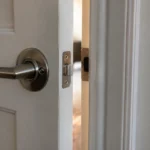
Closing speed is sometimes adjusted because a door is failing to catch‚ even when the closer is not the main cause. If the latch and strike are misaligned‚ increasing speed can simply drive the hardware together harder.
Where the latch mechanism itself is worn‚ sticky or damaged‚ door lock repair may restore clean engagement without requiring excessive closing force. But the lock should be evaluated together with the frame and hinge side because a perfectly functional latch cannot compensate for a leaf that no longer arrives at the correct position.
- Shallow Engagement may indicate strike misalignment.
- Rebound After Contact can signal excessive final speed.
- Different Behaviour when lifted slightly may point to sag.
- Hard Resistance near the frame can indicate seals or geometry.
- Inconsistent Latching deserves inspection before speed is increased.
Air pressure and changing building conditions
Building pressure has a significant influence on doors. HVAC systems‚ exhaust equipment and nearby entrances can create positive or negative pressure that either resists or assists the closer.
A door may therefore behave differently at various times of day or seasons of the year. If the entrance closes normally when another nearby door is open but struggles when the building is sealed‚ pressure is probably contributing to the symptom.
The closer should not be expected to overcome every pressure condition through brute force. Excessive force can make the entrance harder to open and can increase impact at the latch. The better solution is to understand the pressure pattern and adjust the system within appropriate operating limits.
What general door condition contributes to closing speed?
Resistance anywhere in the swing path changes how a closer behaves. A rubbing edge‚ worn hinge‚ shifted frame or loose threshold can slow the leaf in one section and allow it to accelerate in another.
When the problem is not isolated to a lock or closer‚ door repair may involve restoring the basic geometry and movement of the opening first. Once the leaf moves freely‚ closer adjustments become more meaningful and repeatable.
This is why a technician may open and close the door by hand during diagnosis. The goal is to feel whether the leaf itself has abnormal resistance before deciding that the closer is responsible.
Storefront entrances and visible wear patterns
Storefront systems make closing problems especially noticeable because glass‚ aluminum and metal hardware can transmit vibration and sound. A sudden slam may rattle adjacent panels‚ while a slow final close can leave the entrance visibly unsecured.
High customer traffic also magnifies small changes. A closer that is slightly out of adjustment may cycle hundreds of times before the end of a day. Where the problem affects the public-facing entry‚ storefront door repair can address the full relationship between closer settings‚ pivots‚ latch engagement and frame condition.
A maintenance record is helpful in these settings because it can show whether changes in speed follow weather‚ heavy traffic‚ impact or recent hardware work.
Weather and seasonal effects
Canadian seasonal changes can alter closer behaviour. Hydraulic fluid may respond differently in very cold conditions‚ weatherstripping can stiffen‚ and wind can increase or decrease the apparent closing force. Moisture and salt can also add resistance around lower hardware and thresholds.
A door that closes normally in summer and becomes hesitant in winter does not necessarily require a completely different closer. The surrounding opening may simply be operating closer to its tolerance limit under cold conditions.
For properties experiencing recurring seasonal behaviour‚ local work such as door repair in Oakville may include checking weather exposure and alignment alongside the closer itself.
Closing speed as a maintenance indicator
A well-controlled entrance should not need constant readjustment. Changes in closing speed are most useful when treated as early evidence rather than waiting until the door slams or fails to latch completely.
Lawrence Doors can assess closing behaviour across Toronto and the GTA‚ identify whether the source is the closer‚ lock‚ alignment‚ building pressure or another mechanical condition‚ and recommend a proportionate correction. The smoother and more predictable the closing cycle remains‚ the easier it is to protect surrounding hardware and maintain reliable access.