Window and glass problems are often treated as isolated failures‚ but several symptoms can point to movement in the surrounding building envelope. A sash that starts binding‚ a glass panel that no longer sits evenly or a seal that repeatedly fails may be reacting to changes in the frame or structure rather than to the glazing alone.
Where the operating window itself has become difficult to use‚ window repair may restore normal function‚ but the pattern of change should still be considered. If several nearby openings begin showing similar symptoms‚ settlement‚ moisture or repeated seasonal movement may be affecting more than one component.
Binding as an alignment clue
A window that becomes harder to open can indicate swelling‚ debris or hardware wear‚ but it can also reveal that the frame is no longer square. Small shifts are especially noticeable in assemblies with tight operating clearances.
The direction of resistance can be useful. Contact at one corner suggests a different issue from uniform stiffness along the full track or hinge side. Fresh rub marks‚ uneven gaps and changed latch alignment all provide evidence about where movement has occurred.
The same principle applies to adjacent doors. Openings often share similar wall conditions‚ so a change in one area can help explain symptoms in another.
Glass damage versus movement around the glass
Cracked glass can result from impact‚ thermal stress or pressure at the edge. When a pane fails without an obvious incident‚ the surrounding frame should be examined for distortion or concentrated loading.
Where the pane itself can no longer remain safely in service‚ window glass replacement may be required‚ but replacement should not ignore the condition that contributed to the failure.
- Edge Cracks can suggest stress near the frame.
- Repeated Seal Failure may indicate movement or drainage problems.
- Uneven Gaps can reveal a frame that is no longer square.
- New Condensation may point to failed insulated glazing.
- Binding Hardware can be a symptom rather than the main cause.
Door glass and nearby structural change
Glass doors often reveal movement through changing clearances and latch position. A leaf may begin rubbing against fixed glass‚ the bottom edge can contact the threshold or fittings may need repeated adjustment.
If the panel remains intact but the system no longer moves correctly‚ glass door repair may address pivots‚ hinges‚ closers or alignment while the frame is checked for continuing movement.
Repeated adjustment without stable results suggests that the surrounding opening should be included in the diagnosis.
When damaged glass is only part of the problem
Replacing a damaged panel restores the glazing‚ but it does not automatically correct distorted framing or failing hardware. If the glass broke because the leaf was repeatedly striking a stop or binding in the frame‚ the same stress can return after new glass is installed.
Where a complete damaged panel must be changed‚ glass door replacement should be accompanied by a check of hinges‚ pivots and frame clearances.
The goal is to avoid treating the consequence while leaving the cause in place.
Moisture and movement around exterior openings
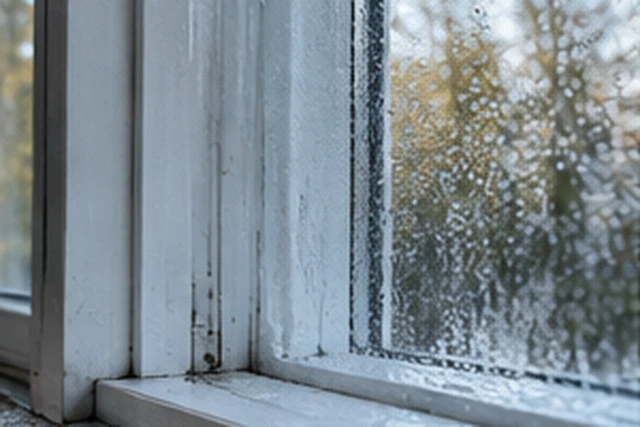
Water can affect both frames and the materials surrounding them. Failed caulking‚ poor drainage and repeated freeze-thaw cycles may allow small gaps to grow over time.
Wood can swell or soften‚ while metal connections can corrode. Once fastening points lose rigidity‚ windows and doors may begin shifting even though their individual components remain functional.
Staining‚ peeling finishes or recurring dampness near an opening deserve attention because they can indicate a condition that will continue affecting alignment.
Patterns across several openings
One sticking window may be a local hardware issue. Three windows and a nearby door developing alignment problems in the same season suggest a broader pattern.
A useful inspection compares symptoms rather than viewing each opening separately. Photographs‚ measurements and notes about weather can help reveal whether changes are occurring in the same direction.
For properties east of Toronto‚ local work such as door repair in Ajax may involve reviewing those surrounding conditions when a door problem appears beside changing windows or glass.
Early evidence before visible structural damage
Openings can act as indicators because their moving parts depend on precise geometry. A small change in the building may show up as a latch problem or rubbing sash before a visible wall crack develops.
Lawrence Doors can assess windows‚ glass entries and related openings across Toronto and the GTA and determine whether the issue is isolated hardware or part of a larger alignment pattern. Recognizing that connection can prevent repeated component work and lead to a more durable correction.